
By Kathryn B. Creedy
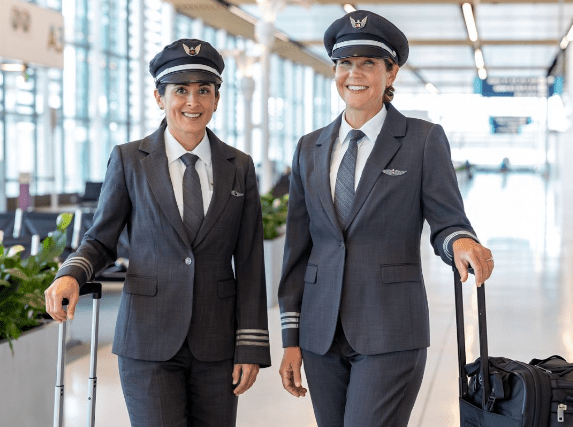
Many think the anti-DEI activists in ascendency and wreaking havoc in Washington don’t understand diversity, equity and inclusion and are fighting against the tide of practical solutions put in place at companies to address growing workforce shortages. What is sad with the first week of the new administration is the fact that it just made hiring and the desire to work for the government, already struggling to compete against the private sector for employees, that much harder.
The original intent of DEI, which dates back to the nineteen teens, has been distorted so those opposing it really don’t understand it.
“What we mean with DEI is diversity of thought,” said Ivon Aheart who works in the Airlines for America General Counsel office but who was speaking as a private person. “A lot of the myths surrounding DEI is related to race, but it is not just about race. It is about including everyone whether they are facing ageism or whether they are women, the disabled or any other thing that makes them different. It doesn’t have a thing to do with race. It’s about including everyone and doing what is right in terms of benefits and working conditions that benefit the entire workforce.”
Aheart describes DEI as a potluck. “It’s about inviting everyone,” she explained. “It’s about inviting them to bring a dish that might not be liked by everyone, but you must make sure it has fair placement on the table. What we are actually trying to do is turn the tide on how we look at employee programs”
The conversation with Aheart was part of a webinar hosted by Dana Kirchmar’s Ellevate Executive Exchange, a monthly meeting of aviation executives who are tackling some of the industry’s most intractable problems. Recently, the Ellevate Executive Exchange meetings have been about culture, something the Congressionally mandated Women in Aviation Advisory Board identified as a key problem in attracting and retaining a diverse workforce and why that is important.”
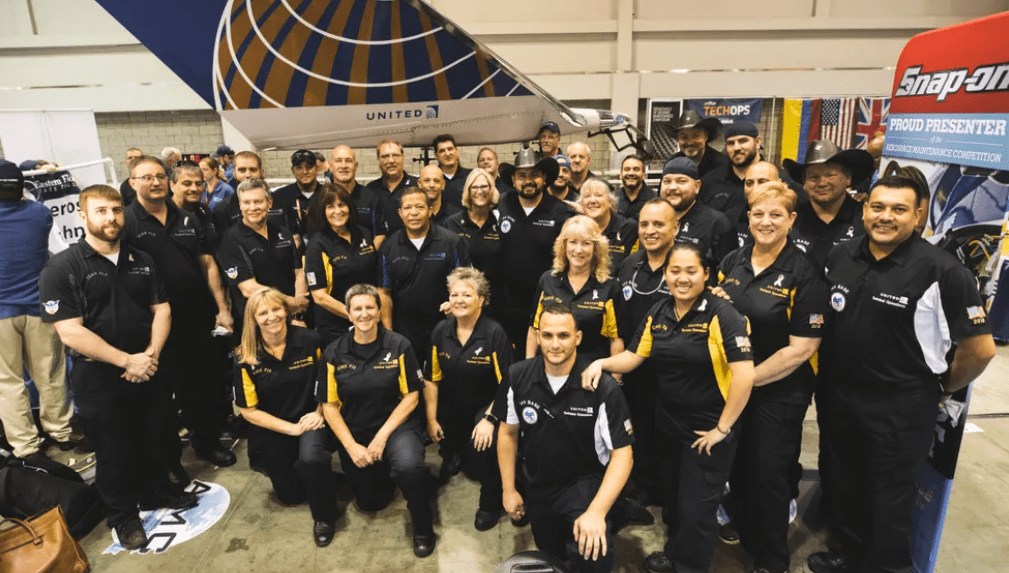
Aheart and others on the call acknowledged aviation and aerospace are white male dominated industries. “What is happening today with the attempts to repeal DEI initiatives is designed to halt the progress we’ve made over the past 50 years,” she explained. “But when people understand how many people are actually affected by these programs, they realize their importance. We are not just talking about black and brown people. We are talking about the 60-year-old white man who is about to be laid off because of ageism. We are talking about the disabled, the neurodiverse. There are a lot of other constituencies represented by diversity, equity and inclusion.”
This tallies with recent articles from HR professionals who say they are shifting from DEI to trying to make everyone on the job feel comfortable. But that is easier said than done given the biases already existing in the workforce that we must address.
“The reality is that we don’t live in a society in which identity doesn’t matter — and people with some identities are more likely to be disadvantaged than those with others,” wrote Columnist Perry Bacon in The Washington Post. “There are numerous studies showing unconscious bias that results in employers being less likely to interview someone with a name identified with African Americans for a job. Women on average are paid less than men in part because they are less likely to be chosen for management positions. Because of historic discrimination, African and Native Americans whose families have lived in the United States for generations tend to have less wealth than their White counterparts. Transgender people and Muslims often face direct bigotry.”

My take on the anti-DEI movement is they are false prophets. They want a meritocracy but we’ve never had that. Indeed, they have never been judged on their merit. Trying to build one now is not what they intend. If they wanted a meritocracy they’d be fighting for equal opportunity which meets Aheart’s description of DEI as bringing everyone to the table and treating them fairly.
It’s Not About Race
Aheart said it is a mistake to focus on race or any single issue making an employee different, pointing out old ways of recruiting and retaining employees will no longer work as the workforce itself changes. Within the next 20 years, white men will be in the minority.
“What we are trying to say is you can hire someone different, but they bring a diversity of thought and that is important, too,” Aheart said. “What we are trying to do is change the culture to support this diversity of thought and processes because they are important to innovation and success. If you support diversity of thought that means DEI is important to you and to your business. The workforce is changing and adapting and companies must change and adapt. So, diverse employees and employee resource groups are what is changing companies internally, changing the culture. We can’t go back because the workforce and families are more multicultural today.”
While the headlines are about Meta, Amazon, Target and other corporations pulling back from DEI initiatives, there are many other companies sticking with it because it is important to them.
“It’s not about DEI but about the principles that support all employees,” Aheart said, citing Costco, Starbucks and others. “They are finding different ways to communicate that support. They are rearranging where they display LGBTQ+ information and products but retaining their commitment to inclusion.
“When Costco rolled out its position on diversity, it simply said, ‘we are doing this because it has made us more successful,” she continued. “They didn’t change what they believed. They just pointed out they were not changing the policy. ‘This is what we have always done because it works for us,’ and that was the end of the discussion.”
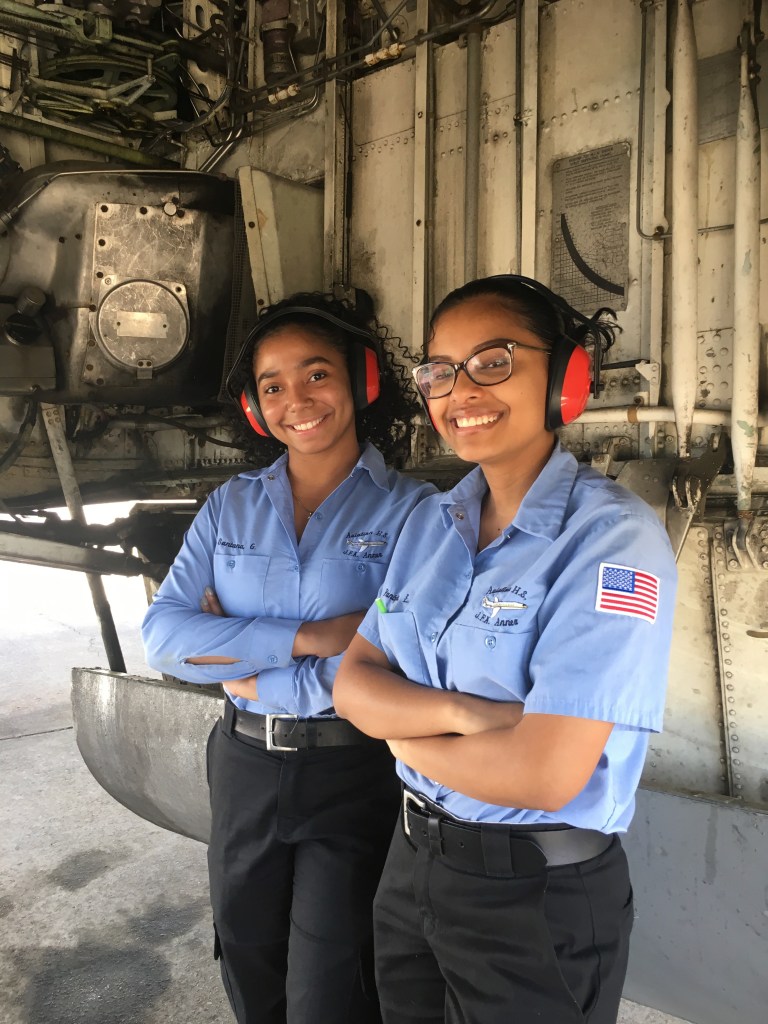
There is a lot of cover in saying this works for the bottom line. Costco was just reminding us that study after study – from the World Economic Forum to Harvard Business Review – shows diversity is good for the bottom line. The companies who are pulling back because of political winds are ignoring those same studies and are clearly jeopardizing their success.
What About Female Dominated Industries?
An interesting part of the discussion arose when Pro Star Aviation Director of Sales and Marketing Jeff Shaw noted that while aviation may be white male dominated today, other industries have an opposite domination. He noted teaching and nursing are very female dominated. Decades ago, administrators were men and women were the teachers. Today, women are both and dominate the workforce.
Aheart translated that to aviation where flight attendants are mostly women. “We made a concerted effort to recruit and retain male flight attendants,” she said of industry efforts to diversify the cabin environment. “We addressed the uniforms, the training. We reached out to inner cities and recruited at colleges specifically targeting men. We added additional benefits and pay so the profession was equitable for everyone not just a select group.”
She also described many of the problems associated with an industry dominated by one gender or another as an economic issue. “How do you attract more men to teaching,” she asked. “You raise the pay to get more.”
A recent article in The Wall Street Journal agreed that if we want to diversify the teaching profession we must pay more. The argument was not only to recruit men, but to help boys with male role models.
The article and Aheart’s statement, of course, is an indictment of the male dominated system itself in which “women’s” jobs are not valued as highly which is reflected in pay and why we still don’t have equal pay. Advocates call these positions female ghettos and include high-ranking and visible C-Suite executives such as HR and Communications. A true test of progress, they say, will come when women are elevated to operational and revenue producing positions.
To that end Aheart pointed to the ascendancy of Joanna Geraghty as CEO of JetBlue, noting airlines are hiring from within and Garaghty rose through the ranks, putting in the hard work to do so, and ultimately becoming CEO. In addition, American has many women executives in operational and revenue positions positions including Evita Garces, vice president line maintenance and Jessica Tyler, president-cargo and vice president operations innovation & delivery. Delta has Michelle Horn, SVP & chief strategy officer and Alicia Tillman, Chief Marketing Officer. A list of women executives in aviation, aerospace and defense can be found here.

Raising pay and benefits to attract and retain more male flight attendants sends the message and it was okay to underpay and under-benefit female flight attendants, teachers, nurses. The idea for the shift at airlines to recruiting males, however, was to benefit everyone which was successful even if it represented a back-handed complement.
Years ago, I wrote a two-part series on what women pilots were seeking in terms of equity. A point those I interviewed made was the accommodations they were requesting were not just for women pilots but would benefit male pilots, too. “It’s counterproductive to ask for special treatment, based on gender,” they told me. “We don’t want special treatment we want the same for everyone.”
How Airlines, Unions Hurt Women Pilot Recruitment & Retention – Part I
How Airlines, Unions Hurt Women Pilot Recruitment & Retention – Part II
ALPA had opposed any changes to work rules seeing it as a women’s issue while women saw it the way Aheart sees it – as a fairness issue. Similarly, in surveys men agree that the cultural bias we experience is a woman’s problem and they have no role in fixing it. But women did not form the current culture, men did. Even so, our male colleagues are telling women they are expected to solve the disconnect between treatment, pay and equity. That makes no sense.
What ALPA failed to take into consideration was the workforce was rapidly changing to put higher value on work/life balance than on pay. ALPA surveyed its members and found all pilots favored the work rule changes. Its representative ran up to me at a conference and excitedly told me about the change.
“So,” I told him, “let me get this straight. Now that men have given you permission to change the work rules women pilots have been seeking for decades, you are going to make changes?”

While he insisted that is not how it was, it was clear ALPA was saying women pilots didn’t matter. Only male pilots mattered and now that male pilots wanted to the same accommodations, it would act. What is interesting is that work rule changes were touted in all the latest contracts but not one company or union has defined those changes.
So, we must address culture to create one that invites everyone under the tent and makes them comfortable. It is not what aviation has today but if we ignore the politics and restore the true meaning of DEI – diversity of thought and experience – we will be better for it. Still, we cannot ignore the imbalances Perry Bacon pointed out in The Washington Post because they exist because of the culture and business practices that have been in place for centuries.
—30—
 futureaviationaerospaceworkforce.com